Featured snippets can put your page above the standard organic results, even when you are not in the first spot. Since a search engine results page is the page a search engine shows in response to a user query, winning that top answer box means owning the most visible real estate on the SERP for a high-intent question. On The EarlySEO Blog, this matters because startups and small businesses often need visibility before they have big backlink profiles. If you want a realistic path to snippets in 2026, focus less on hacks and more on intent, structure, and clear answers Google can lift with confidence.
What featured snippets are actually rewarding in 2026
Google's systems pull featured snippets from pages that answer a question clearly and quickly. The public guidance visible in current top-ranking result pages about featured snippets points in the same direction: Google selects content it finds useful for answering a query, not pages that simply stuff headings with question keywords.
That means your target is not "ranking trickery." Your target is extractable clarity. A page that buries the answer under branding fluff, popups, and vague intros usually loses to a page that states the answer in 40 to 60 words, then expands with detail.
Key insight: A featured snippet is usually earned by the page that makes the answer easiest to identify, verify, and format on the SERP.
You should also stop treating snippets as a separate SEO channel. They sit on the same SERP logic as rankings, relevance, page quality, and user satisfaction. If your page does not already deserve to rank, snippet formatting alone will not save it.
For teams building their first content system, resources like SEO basics for beginners and a practical on-page SEO guide are useful before you chase advanced SERP features.
Why question intent matters more than exact-match wording
Many snippet-triggering searches are framed as questions or implied questions. "How to get featured snippets" is a direct one. But Google also rewrites intent behind shorter queries like "featured snippets SEO" or "optimize for snippets."
A page wins more often when it covers the underlying task. Answer the question directly, then support it with steps, examples, and edge cases. That matches how search engines organize results on a SERP and how users scan for quick resolution.
The snippet formats you should plan for first
Not every query triggers the same presentation. In practice, most content teams should optimize around a few common structures:
- Paragraph snippets for definitions and short explanations
- List snippets for steps, processes, and rankings
- Table snippets for comparisons, pricing, specs, or feature differences
- Video-supported results for visual how-to searches
Choosing the right content format before you write saves a lot of editing later.
How to find featured snippet opportunities before you write
The fastest way to waste time is creating a "snippet-ready" article for a query that does not produce snippets. Start with SERP inspection. Search your target phrase and look at what Google already rewards.
The research set for this topic shows a massive result pool, 20,800,000 total SERP results, which tells you competition is broad. That does not mean every keyword is unwinnable. It means you need tighter query selection, especially long-tail questions and topic clusters around a core problem.
Best query types to target first
| Query pattern | Why it works for snippets | Best content format |
|---|---|---|
| how to + task | Clear procedural intent | Numbered list |
| what is + topic | Direct definitional intent | 40 to 60 word paragraph |
| best way to + action | Comparative intent | Bullets plus short intro |
| x vs y | Side-by-side evaluation | Table |
| why does x happen | Explanatory intent | Short paragraph plus bullets |
A simple process works well:
- Search the keyword manually.
- Confirm a featured snippet exists.
- Identify the format Google prefers.
- Note whether the current result is weak, outdated, or incomplete.
- Build a page that answers faster and explains better.
If you run a growing content program, the The EarlySEO Blog platform can help you keep these opportunities organized across topics instead of chasing random queries one by one.
How to judge if the current snippet is beatable
Some snippets are strong because the page is well structured, current, and tightly aligned with the question. Others are weak because the answer is incomplete, generic, or hidden deep in the page.
Good opportunities often look like this:
- The snippet answer is vague or too short
- The ranking page is old and misses current context
- The page title matches loosely, but the body lacks a clean answer block
- The page covers many topics, but none in depth
- The SERP includes People Also Ask questions you can answer better on one page
Use supporting topics to build answer depth
A standalone answer rarely wins by itself. Google also wants confidence that the page has topic depth. That is where related articles help.
For example, a page about snippets can be supported by internal content on keyword research for SEO, technical SEO issues, and content optimization strategies. Internal links help search engines understand the page's context and help users move deeper when they need more than a quick answer.
How to structure a page so Google can extract the answer
Formatting matters because Google needs content it can parse and display cleanly. Your page should answer the main question high on the page, usually right under the H1 or near the start of the relevant H2 section.
Keep the first answer concise. Then expand with detail, examples, and related questions. This two-layer structure works because it serves both the snippet extraction need and the user's need for a fuller explanation.
Best practice: Give the short answer first, then the proof, steps, and nuance right below it.
Pages built this way are easier for both readers and search engines to process.
A snippet-ready content pattern that works for most pages
Use this pattern for a high-intent query:
- H1 with the main question or close variant
- A 40 to 60 word answer paragraph
- A short list of steps or factors
- One detailed section per step
- A comparison table or FAQ if useful
- Internal links to deeper supporting pages
That format creates multiple extraction options. Google may choose your paragraph, your list, or your table depending on the query rewrite.
Formatting choices that improve extractability
Keep sections clean and predictable:
- Use one primary question per section
- Write short paragraphs, 2 to 4 sentences
- Put definitions immediately after question-style headings
- Use ordered lists for processes
- Use tables only when users need comparison
- Avoid hiding key content behind tabs or scripts if possible
Research on structured information systems gives a useful parallel here. A 2021 survey on knowledge graphs examined how entities and relationships are represented for machine understanding. While it is not a featured snippet study, the relevance is clear: better-structured information is easier for systems to interpret.
Likewise, work on information selection such as attention mechanisms in computer vision points to a simple lesson for content creators: when the important part is easy to isolate, systems can prioritize it more effectively.
On-page signals that increase trust, clarity, and snippet eligibility
A snippet is not only about formatting. Google also needs signals that your answer is trustworthy and fits the page topic. Thin pages with nice list formatting often lose because they are not the strongest result overall.
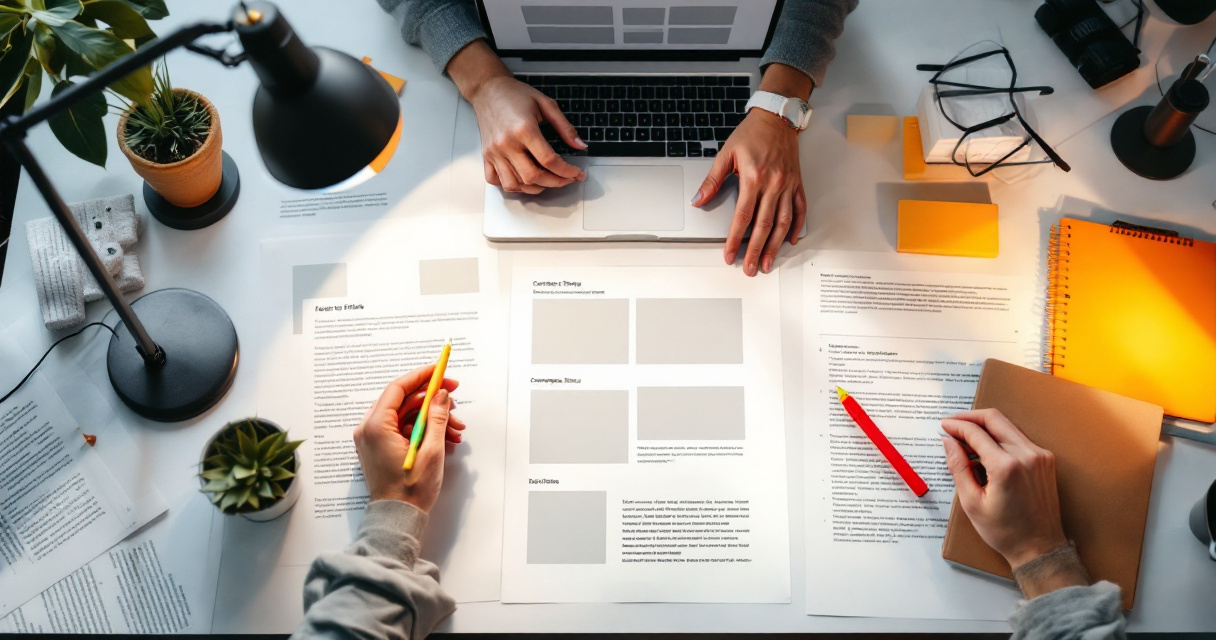
Topical focus, internal linking, freshness, and page maintenance all help. A current article updated for 2026 has a better chance than an old page that still reads like a 2019 SEO playbook.
On-page checklist before you hit publish
| Element | What to do | Why it matters |
|---|---|---|
| Main answer | Put it near the top | Improves extraction odds |
| Heading structure | Match search questions naturally | Clarifies relevance |
| Internal links | Point to supporting topic pages | Builds context |
| Date and updates | Refresh outdated examples | Improves current usefulness |
| Tables and lists | Use only when intent calls for them | Matches snippet format |
| Page speed and UX | Remove clutter around key content | Helps usability |
Strong sites also maintain content over time. That is one reason established publishing systems keep winning repeat SERP features. Even outside SEO, sustained documentation projects such as The Astropy Project show the value of continuous maintenance and releases. For content teams, the takeaway is simple: snippet pages should not be "publish once and forget."
Using The EarlySEO Blog for editorial consistency can help smaller teams update pages, tighten internal links, and keep answer sections current without rebuilding the whole site every quarter.
Common mistakes that quietly kill snippet chances
A lot of pages fail for fixable reasons:
- Long intros before the answer
- Multiple competing answers on one page
- Keyword stuffing in headings
- Lists without context or summary
- Definitions that are too broad to be useful
- Outdated screenshots or examples for current SERPs
If your page reads like it was written for a crawler instead of a person, it probably will not win.
How to handle objections about zero-click searches
Some site owners worry that snippets reduce clicks. That can happen on basic factual queries. Still, for commercial research, problem-solving, and implementation topics, a snippet often acts like a preview that earns trust.
If you answer the core question quickly and then promise deeper value underneath, you give searchers a reason to click. The goal is not to hide the answer. The goal is to make the next click worth it.
How to measure wins and what to expect next from featured snippets
You cannot improve what you do not track. Watch ranking position, snippet ownership, click-through changes, and which content format Google chooses. Some pages gain snippets after a rewrite without major ranking changes. Others need stronger authority and links before the format matters.
Review performance every month and after major page updates. If you lose a snippet, compare the new winner's answer length, structure, freshness, and query match.
A simple review routine for 2026
- Track your target questions in a rank tool or manually
- Save SERP screenshots before and after updates
- Rewrite answer paragraphs when search intent shifts
- Test lists versus short paragraphs for the same query family
- Refresh internal links after publishing related pages
What to expect in 2027: As search systems keep improving at entity understanding and answer selection, pages with cleaner structure and stronger topical networks should have an edge over pages built around isolated keywords.
That does not mean snippets are becoming impossible for smaller sites. It means the bar for clarity is going up. Teams that publish well-structured, current content will stay competitive, especially in niche topics where bigger brands are slow to update.
If you want a practical system for that, using The EarlySEO Blog as your reference point for content planning and page updates is a sensible place to start.
What success looks like beyond the snippet box
A featured snippet is a useful outcome, not the only outcome. Good snippet-targeted pages can also improve standard rankings, People Also Ask visibility, and topical authority across related terms.
That wider payoff matters more than obsessing over one SERP feature. Build pages that deserve to rank first, then make them easy to extract.
Conclusion
Getting featured snippets in 2026 comes down to a simple formula: pick queries that already trigger snippets, answer them clearly near the top of the page, match the right format, and keep the content current. Start with one page this week. Find a beatable question, write a 40 to 60 word answer, add a clean list or table, and strengthen the page with relevant internal links. If you want more practical SEO frameworks built for lean teams, visit The EarlySEO Blog and turn one snippet opportunity into a repeatable content process.